

Membrane filter plate advantages drive superior cake dryness, making them a preferred choice for demanding dewatering applications. Operators achieve dry solids contents up to 20% higher than conventional filter press plates. Membrane filter plates maximize dry solids, reducing downstream drying costs in industries like mining and wastewater treatment. These plates deliver faster cycle times, improved output capacity, and enhanced filtration efficiency. The flexible membrane filter plate design squeezes more moisture from the filter cake, ensuring lower disposal costs and superior cake dryness. Membrane filter press sludge dewatering in chemical and mineral applications benefits from dry solids contents, supporting improved filtration and dry solids recovery. Membrane filter press sludge dewatering in wastewater treatment achieves superior cake dryness, higher dry solids contents, and improved output capacity.
Benefit | Membrane Filter Plates | Conventional Methods |
|---|---|---|
Cake Dryness | 10-20% higher dry solids contents | Lower dry solids contents |
Cycle Time | Faster cycle times | Longer cycle times |
Washing Efficiency | Superior cake dryness with less wash water | Lower efficiency, more wash water |
Versatility | Handles various applications | Limited versatility |
Membrane filter plates set a new standard for dryness in industrial dewatering. They use advanced membrane technology to minimize moisture content in the filter cake. The four-layer co-extrusion structure includes a surface filtration layer, a high elasticity support layer, a pressure buffer layer, and a base reinforcement layer. Inflatable membranes compress the remaining liquid, which results in lower residual moisture values. In high-pressure applications, these plates significantly enhance filtration performance and maximize recovery rates. Membrane filter press sludge dewatering achieves up to 90% cake dryness, compared to only 50% with traditional filter technologies. This improvement reduces disposal volumes and costs, while also lowering water consumption. Operators in wastewater treatment and chemical processing rely on this technology to achieve dry solids and reduce downstream drying expenses.
Membrane filter plates utilize inflatable membranes for superior dewatering.
The four-layer design ensures robust performance in demanding applications.
Lower residual moisture means less energy required for further drying.
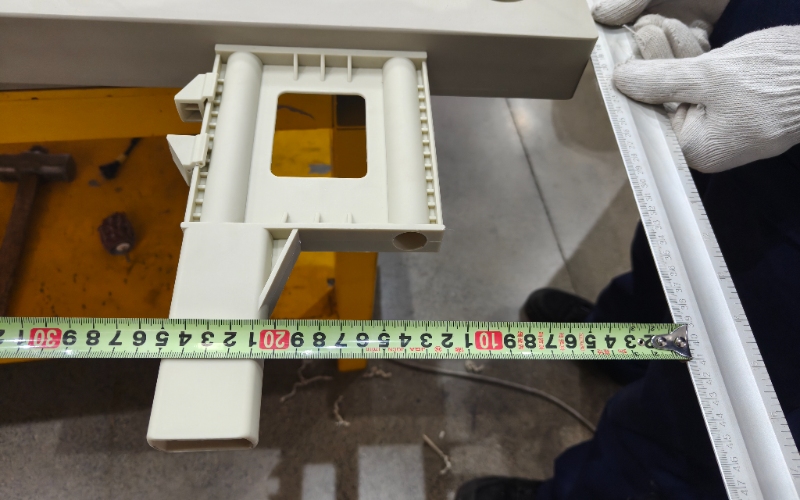
Diaphragm membrane filter presses shorten filtration cycle times compared to conventional filter presses. The membrane squeezing feature enhances water removal efficiency, which leads to faster cycles and increased production rates. In membrane filter press sludge dewatering, operators see a 35% increase in throughput after switching to this technology. The combination of faster cycle times and higher throughput allows industries to process more material in less time. This efficiency is critical for applications across industries where time and output directly impact profitability.
Efficient cake washing is essential for industries that demand high product purity. Membrane filtration techniques, such as ultrafiltration and microfiltration, clarify and purify solutions by removing contaminants. These methods eliminate cell debris, precipitates, and particulates, which protects downstream equipment and ensures the clarity of the final solution. In pharmaceutical and food applications, specific ultrafiltration membranes remove viruses and endotoxins, enhancing product safety. Membrane filter press sludge dewatering benefits from efficient cake washing, which reduces wash water requirements by up to 25%. This process not only improves product purity but also lowers energy and water costs.
Efficient cake washing leads to higher product quality.
Reduced wash water usage decreases operational expenses.
Membrane filter plates demonstrate versatility in a wide range of applications. They play a crucial role in wastewater treatment, providing effective separation and purification. Industries such as chemical manufacturing and mining use these plates to remove pollutants and comply with environmental standards. Municipal treatment plants rely on membrane filter press sludge dewatering for secondary and tertiary treatment stages, ensuring effluent quality. The technology also supports reclaimed water reuse, which conserves fresh water for non-potable uses. In pharmaceuticals, membrane systems produce ultra-clean process water. Mixed pack membrane filter plates adapt to various materials and process requirements, making them suitable for applications across industries.
Application Area | Benefit of Membrane Filter Plates |
|---|---|
Wastewater Treatment | Superior solids removal, dry cake |
Chemical Processing | Enhanced purity, efficient dewatering |
Mining & Minerals | High recovery rates, robust performance |
Municipal Treatment | Reliable effluent quality |
Pharmaceuticals | Ultra-clean process water |
Mixed pack membrane filter plates offer flexibility for complex filtration needs. They handle diverse feed materials and deliver consistent results in both batch and continuous operations. This adaptability makes them a preferred choice for industries seeking reliable dewatering solutions.
Membrane filter press sludge dewatering stands out in industrial applications. The two-stage process uses an initial feed followed by a membrane squeeze. This approach delivers higher dry solids content than traditional chamber filter plates. For mineral sludges, dryness improves by 4 to 5 percentage points. For organic sludges, gains reach 2 to 3 points. The table below highlights the differences:
Feature | Chamber Filter Plate | Membrane Filter Plate |
|---|---|---|
Dewatering Mechanism | Relies on feed pump pressure | Inflates membrane to squeeze cake |
Final Cake Moisture | Higher moisture content | Lower moisture due to mechanical squeeze |
Energy Impact | High energy use for feed pump | Lower energy use, efficient squeeze |
Membrane filter press sludge dewatering reduces disposal costs and handles challenging sludges. This makes it a preferred choice for industries focused on maximizing cake dryness.
Selecting the right filtration solution ensures optimal performance in membrane filter press sludge dewatering. XUDA Filtration offers a range of sizes, feed designs, and pressure options to meet diverse industrial needs. Their advanced construction supports long-term durability and efficiency in demanding dewatering environments.
Industries such as mining, chemical processing, wastewater treatment, and pharmaceuticals see the greatest benefits. These sectors require high dryness and efficient dewatering.
XUDA Membrane Filter Plates reduce cycle times and increase throughput. Operators process more material in less time, which leads to lower energy and labor costs.
Yes. XUDA designs membrane filter plates for compatibility with various feed materials. This versatility supports a wide range of industrial applications.
NEED A SAMPLE OR AN OFFICIAL QUOTE?
Contact inquiry@xudaenviro-tech.com for more details.
Related Application


