Home /
News / Product News / Chamber vs. Detachable Membrane Filter Plates: Choosing the Right Solution for Your Filtration Needs
Chamber vs. Detachable Membrane Filter Plates: Choosing the Right Solution for Your Filtration Needs
Selecting the right filter plate is critical for efficient and cost-effective solid-liquid separation in industrial applications. In this guide, we explore the differences between chamber and detachable membrane filter plates, highlight their application scenarios, and share practical considerations to help you select the right option for your process.
1. What Makes Chamber and Detachable Membrane Plates Different?
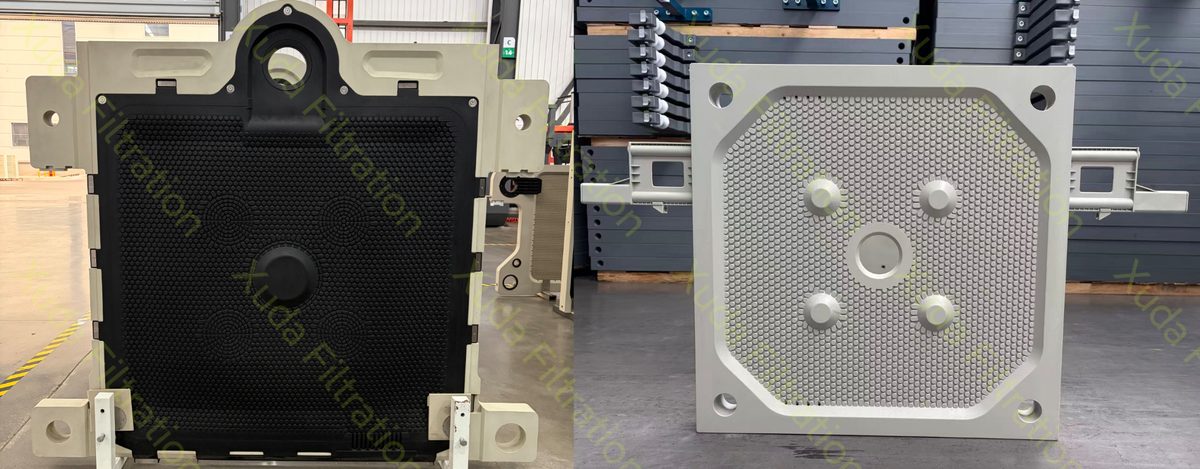
The primary difference between the two lies in their filtration mechanisms.
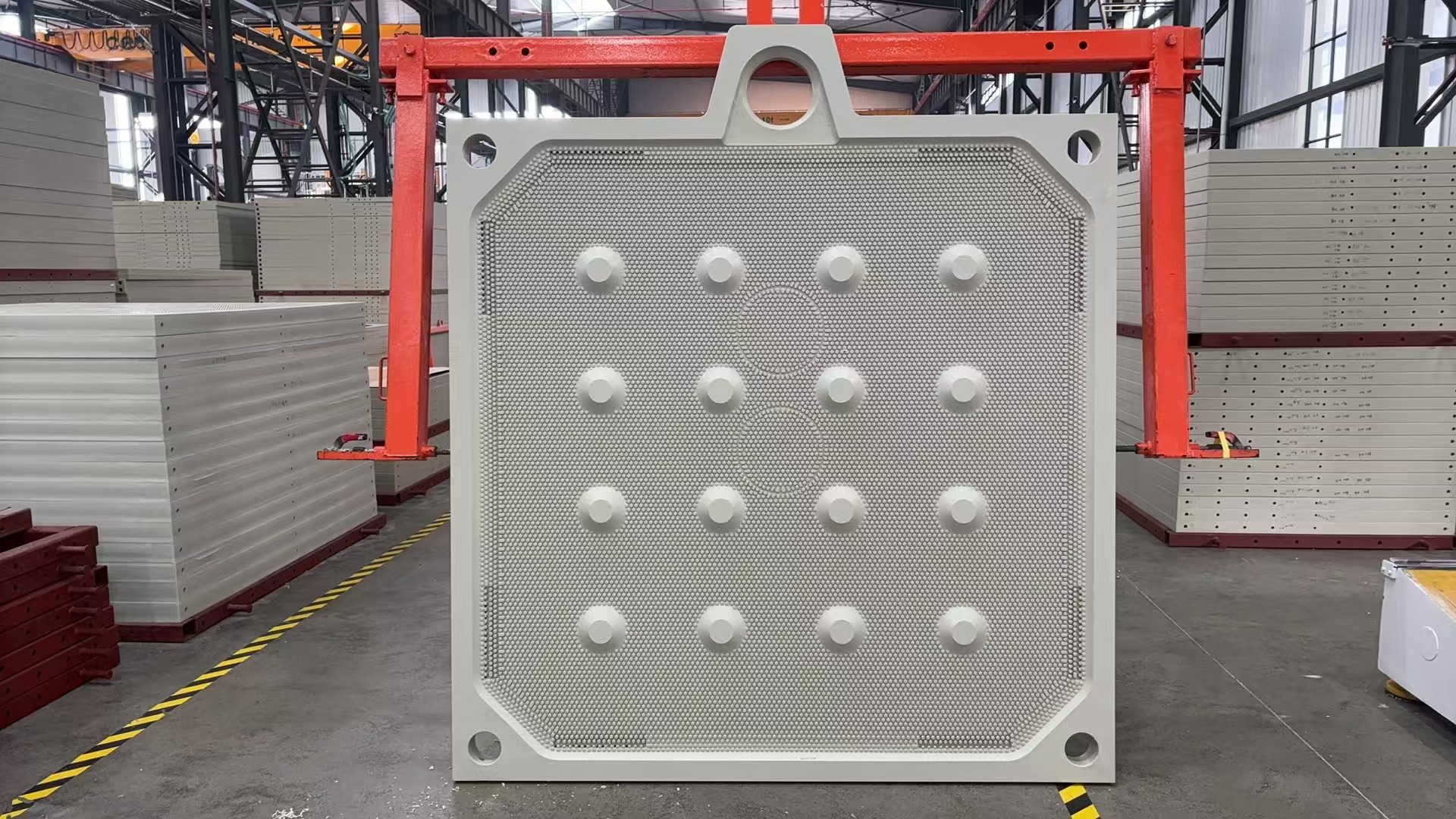
Chamber filter plates rely on pressure filtration to form a filter cake. After the slurry is fed into the fixed-volume chamber, liquids are filtered out, and solids accumulate to form the cake. There is no additional membrane compression stage. These plates can be suitable when pressure filtration alone meets the required level of cake dryness.
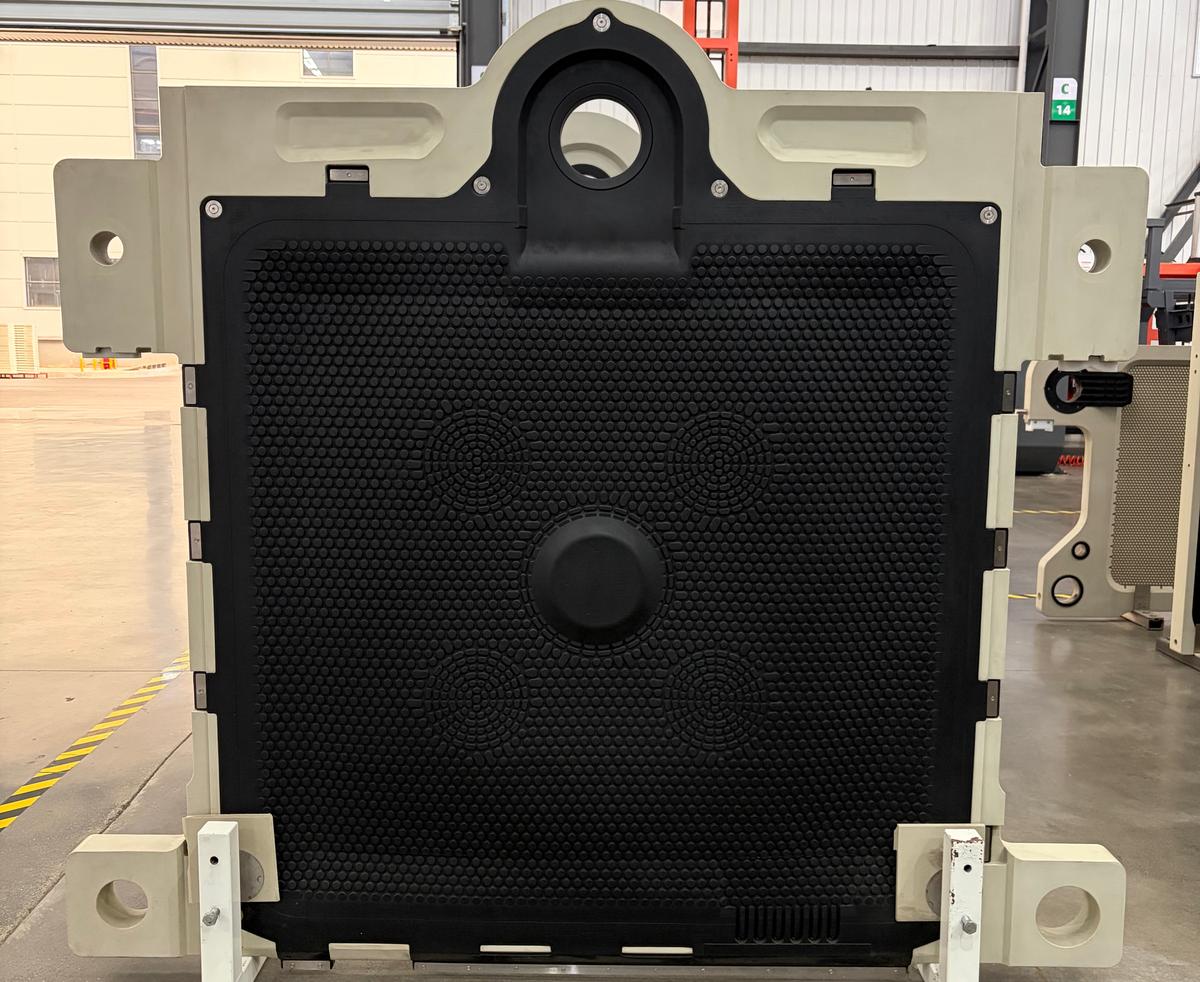
Detachable membrane filter plates use an additional squeezing stage. After the initial pressure filtration, a flexible membrane compresses the filter cake to remove additional residual liquid. This design can be useful for applications where a drier cake helps reduce downstream drying, transportation, or disposal costs.
The actual benefit depends on the slurry, equipment, and operating conditions. Learn more about the structure and working process of membrane filter plates.
2. Chamber Filter Plates: When Simplicity Is Key
Chamber filter plates are often considered when ease of operation, lower initial costs, and a simpler process are important. Below are some common application scenarios.
2.1 Municipal Wastewater Treatment
In municipal wastewater plants, sludge is processed in large volumes daily. Chamber plates can be used for routine dewatering of biological sludge when the target cake solids can be achieved through pressure filtration alone.
Advantages:
Straightforward operation.
Eliminating the membrane-squeeze stage can reduce plate costs and equipment complexity.
2.2 Industrial Wastewater Treatment
Industrial sludge varies widely in particle size, chemical composition, and compressibility. Chamber plates can be considered where pressure filtration meets disposal or handling requirements without additional membrane squeezing. The plate material and operating conditions should still be matched to the specific wastewater stream.
Advantages:
No separate membrane material needs to be selected for the squeeze stage.
A simpler plate structure can reduce maintenance requirements.
2.3 Mining Tailings Dewatering
Mining operations commonly dewater tailings to produce filter cakes for stacking or disposal. For coarse or easily drained tailings, chamber plates may achieve satisfactory moisture levels during standard pressure filtration, making them a cost-effective option.
Advantage:
Lower initial cost and simpler maintenance for suitable high-volume tailings filtration processes.
Filtration requirements vary across wastewater, mining, and other industries. Explore XUDA's filtration applications to see more operating scenarios.
3. Detachable Membrane Filter Plates: An Option for Drier Cakes
Detachable membrane filter plates are considered when reducing residual cake moisture can deliver significant process advantages. Below are some typical applications.
3.1 Mineral Concentrate Processing
Mineral concentrates such as copper, iron, and gold concentrates may need to meet moisture requirements for sale, shipment, or further processing. Membrane plates provide an additional squeezing stage that can reduce residual moisture. The final result should be confirmed through process testing.
Advantages:
Lower cake moisture may reduce freight costs and help meet shipment specifications.
A drier cake may be better suited to downstream processes such as smelting or pelletizing.
3.2 Chemical Processing
Chemical filtration processes may recover valuable solvents, mother liquor, or other liquids from the filter cake. Membrane plates can support additional liquid recovery by squeezing the cake, potentially reducing downstream drying or processing requirements.
Advantages:
Potentially improves liquid recovery from the cake.
May reduce the energy required for downstream drying.
3.3 Sludge Dewatering for Drying, Landfill, or Incineration
For sludge destined for disposal, landfill, or incineration, reducing residual moisture can help lower transport and treatment costs. Membrane plates provide an additional dewatering step by compressing the cake after filtration.
Advantages:
Lower cake weight can reduce transport and disposal expenses.
Reduced moisture can lower energy consumption in subsequent drying or thermal processes.
The achievable improvement depends on the sludge characteristics and squeeze conditions. The appropriate filter press pressure should be selected according to the equipment and application.
4. Comparison Table: Chamber vs. Detachable Membrane Filter Plates
| Factor | Chamber Filter Plate | Detachable Membrane Filter Plate |
|---|---|---|
| Filtration Stages | One stage: pressure filtration | Two stages: pressure filtration and membrane squeezing |
| Relative Cake Dryness | Depends on pressure filtration performance | Potentially lower residual moisture after squeezing |
| Upfront Cost | Generally lower | Generally higher |
| Best For | Suitable easy-to-filter slurries, high-volume processes, and cost-sensitive applications | Applications where drier cakes can reduce downstream costs |
| Typical Applications | Municipal sludge, tailings, and general wastewater | Mineral concentrates, chemical slurries, and sludge for disposal or drying |
5. How to Select the Right Plate for Your Application
Ask these three questions when comparing the two options for your process.
5.1 How Dry Does Your Filter Cake Need to Be?
If pressure filtration alone meets your cake-solids target, chamber plates may be sufficient.
If a drier cake improves downstream processing or reduces costs, consider detachable membrane plates. Filtration trials can help confirm the achievable moisture level.
5.2 What Are Your Budget and Total Operating Costs?
Chamber plates are generally more affordable upfront and simpler to maintain.
Detachable membrane plates may have a higher initial cost but can reduce drying, transportation, or disposal costs in suitable applications. Evaluate the full operating cycle to determine whether the additional investment is justified.
5.3 What Type of Slurry Are You Filtering?
Chamber plates can perform well with easily filterable slurries when pressure filtration meets the process requirements.
Fine or low-permeability slurries may benefit from an additional squeezing stage, but the result depends on cake properties and operating conditions. Testing is recommended before selecting a plate type.
6. Avoiding Common Mistakes
6.1 Investing in Membrane Plates Without a Justifiable Need
Do not assume that detachable membrane plates are always necessary. If pressure filtration achieves the desired dryness level, the additional cost may not be justified. Use trials to verify the value of the squeeze stage.
6.2 Ignoring Downstream Savings
Look beyond initial costs and consider potential savings in transportation, landfill, or drying. Even a small improvement in cake dryness may reduce long-term costs, depending on the volume processed and disposal method.
6.3 Overlooking Press Compatibility
Before upgrading to detachable membrane plates, ensure that your filter press can accommodate the plate thickness, dimensions, feeding system, and squeeze mechanisms. Utilities, controls, plate arrangement, and operating limits should also be reviewed.
Our guide to matching replacement plates explains the key compatibility details to check.
7. Partner with Experts for the Right Filtration Solution
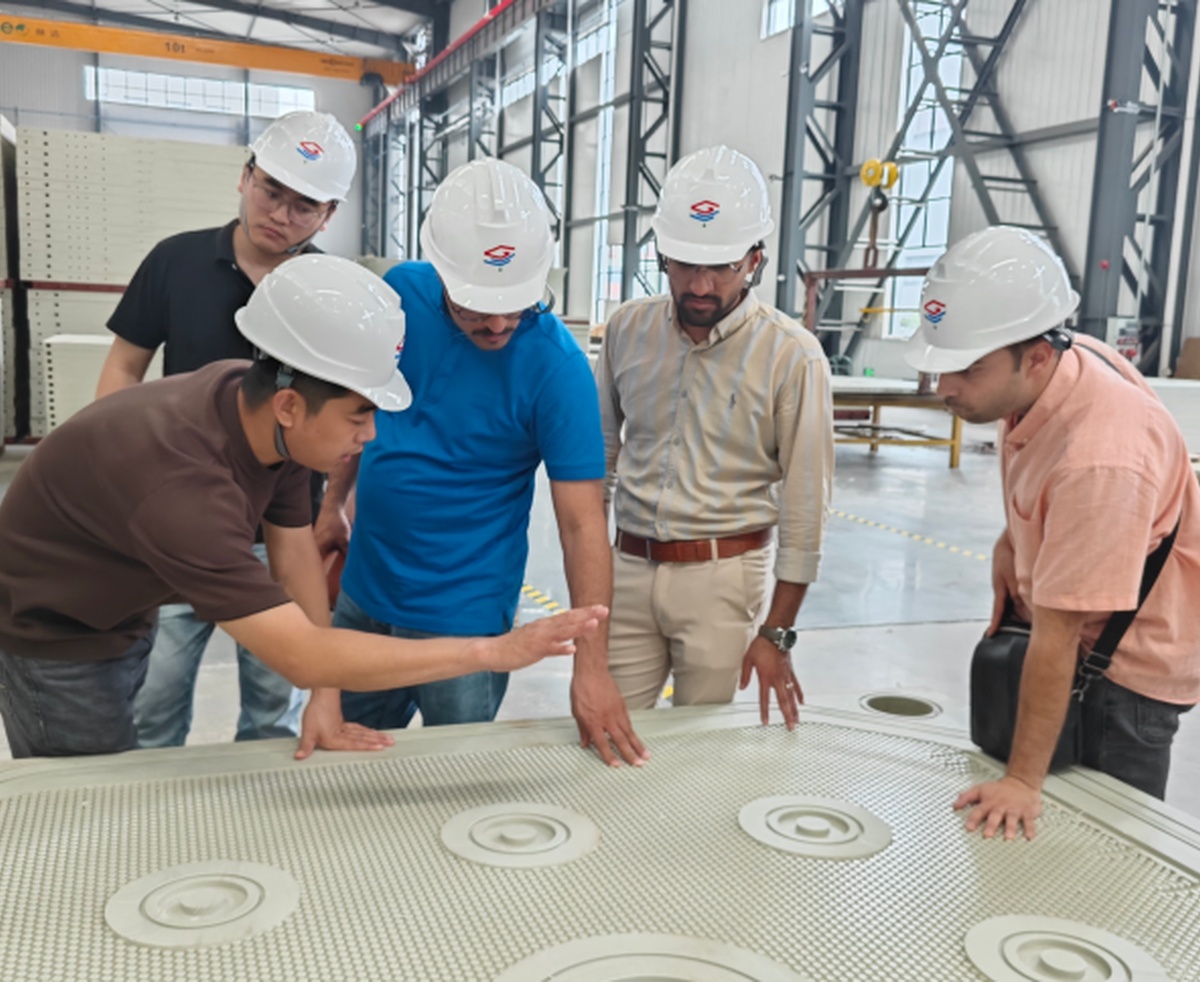
At XUDA Filtration, we understand that selecting the right filter plate is important for filtration efficiency and operating costs. Whether you are considering chamber plates for a simpler process or detachable membrane plates for additional dewatering, our team can help you evaluate the options for your application.
Contact XUDA Filtration with details about your press model, slurry characteristics, target cake dryness, and operating requirements. Our experts can help you review plate selection and compatibility.
NEED A SAMPLE OR AN OFFICIAL QUOTE?
Contact inquiry@xudaenviro-tech.com for more details.


Related Application